Westfield, New Jersey
A Westfield commercial inspection should reflect the building’s use, age, renovations, tenant configuration, and your transaction goals. I define that scope in writing before the inspection.
Based in Maplewood. Serving commercial clients in Westfield and Union County.
Commercial assignments are not one-size-fits-all. I define the work before scheduling so you know what will be inspected, what access is needed, what is excluded, and how the findings will be reported.
Property type, size, use, occupancy, number of buildings or spaces, available records, known concerns, and your decision timeline.
The written proposal and agreement identify the included systems and areas, limitations, exclusions, access needs, fee, and deliverable.
Roof, electrical, mechanical, tenant, common, utility, and exterior areas must be safely and lawfully accessible for the agreed observations.
The exact scope depends on the property and proposal. When accessible and agreed, observations may include:
Grading, paving, walks, retaining features, roof runoff, and visible drainage conditions.
Accessible foundations, framing, floors, walls, columns, and visible structural conditions.
Roof coverings, drainage, flashings, penetrations, and visible rooftop conditions using a safe method.
Walls, windows, doors, cladding, sealants, and visible deterioration or water-entry clues.
Service equipment, panels, representative distribution, visible wiring, and accessible components within scope.
Visible supply and drainage piping, fixtures, water heating, and accessible system components.
Installed HVAC equipment, distribution, controls, and visible operating or maintenance concerns.
Accessible finishes, stairs, rails, doors, windows, tenant or common areas, and visible life-safety features.
Westfield commercial properties may include downtown retail, mixed-use buildings, professional offices, small multifamily common areas, and older buildings with repeated tenant improvements.
Accessible storefronts, common areas, upper floors, roofs, exteriors, utilities, and tenant spaces are coordinated within the agreed scope.
I look at visible transitions in walls, ceilings, electrical, plumbing, HVAC, egress paths, and finishes created by later fit-outs.
Visible roofing, masonry, structure, drainage, electrical, plumbing, and mechanical components are evaluated by condition, not age alone.
Featured on The Dream Is Real
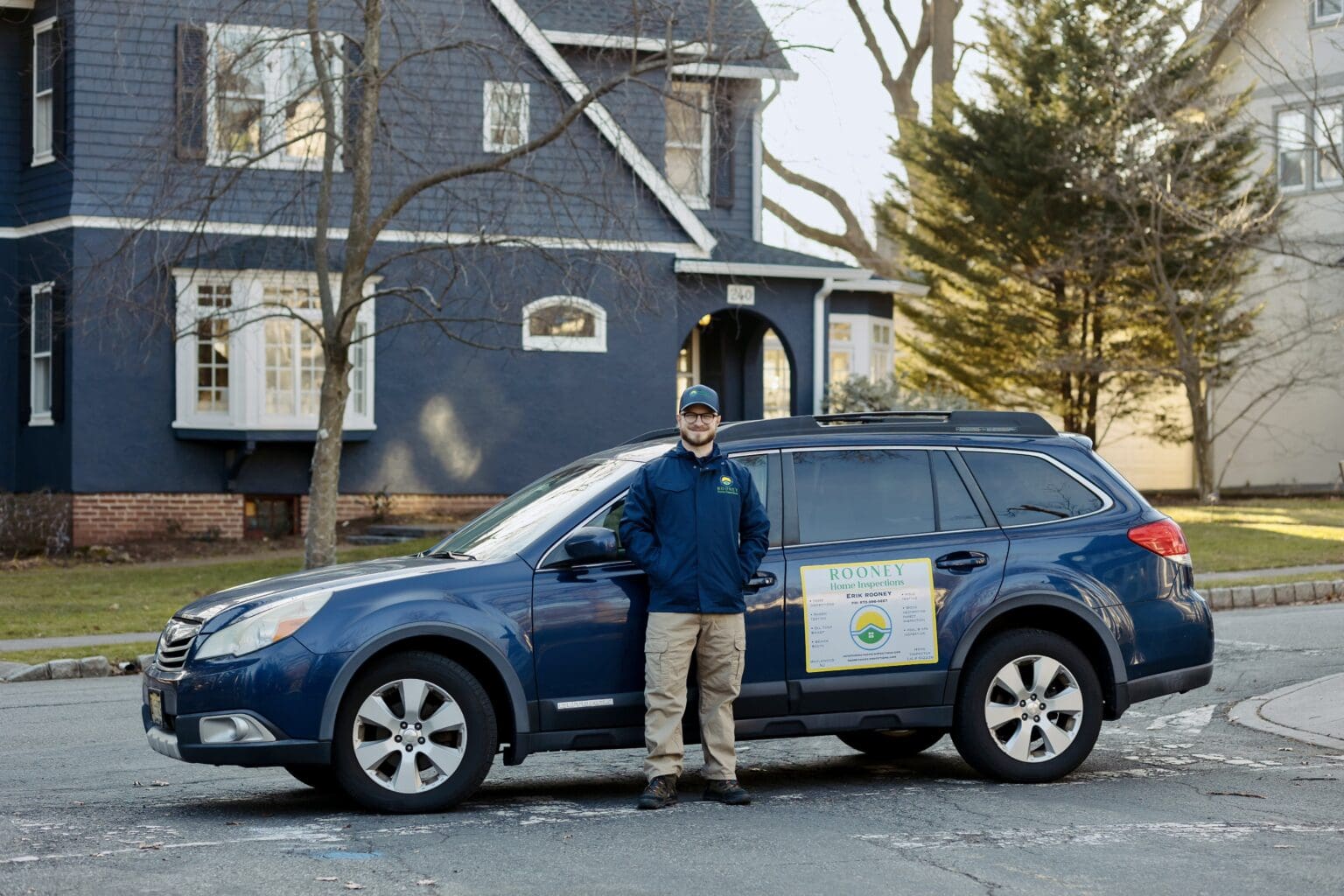
Hear Erik Rooney discuss how inspections help clients understand a property and decide what deserves attention.
I start with the property type and use, your objectives, approximate size, occupancy, access, known concerns, available records, and due-diligence deadline. The written proposal and agreement define what is included, excluded, and limited.
Send the address or listing, intended use, approximate size, number of buildings or tenant spaces, access contacts, deadline, known concerns, and any available plans, prior reports, maintenance records, roof information, or equipment details.
Yes, when accessible and included in the written scope. Depending on the property, observations may cover visible or representative components. Specialized equipment or testing may require a Licensed or Qualified specialist.
Yes, with permission and coordinated access. Tenant spaces, common areas, equipment rooms, roofs, or other areas that cannot be accessed are documented as limitations.
Available records and interviews can inform the inspection but do not replace field observations. Useful materials may include plans, permits, maintenance logs, warranties, prior reports, and equipment information.
No. Municipal code enforcement and formal ADA or accessibility evaluations are separate services. I report observable conditions within the agreed scope and identify when specialist evaluation may be appropriate.
No. This is not a Phase I Environmental Site Assessment, contamination investigation, or hazardous-material survey. Those services require the appropriate Qualified environmental professional.
The base service documents observed conditions and appropriate next steps. Contractor proposals, engineering analysis, and formal cost-to-remedy or reserve opinions are separate services.
The report documents observed conditions with photos and explains what may need maintenance, repair, specialist evaluation, records, or further discussion. Inaccessible areas and scope limitations are stated clearly.
This is not a municipal code inspection, formal ADA or accessibility evaluation, Phase I Environmental Site Assessment, engineering analysis, or guarantee of future performance.
Commercial property inspections in New Jersey · Essex County commercial inspections · Areas served for residential inspections
Send the property information, intended use, approximate size, access details, known concerns, and your due-diligence deadline.