
A practical upkeep plan for your New Jersey home
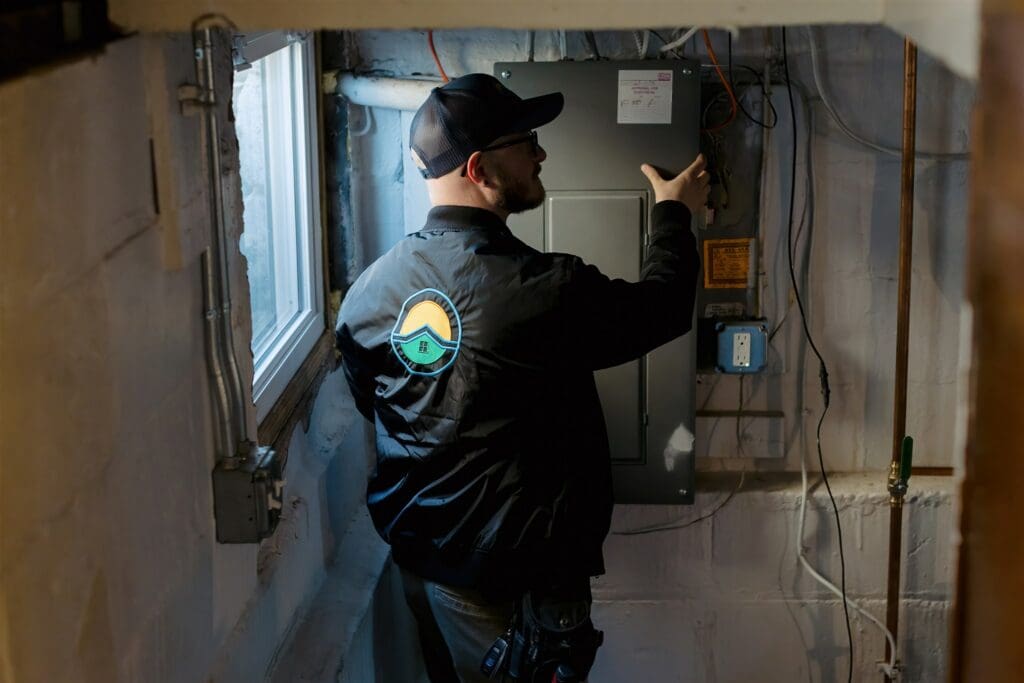
Owning a home comes with a long list of things that need attention. Some are obvious, like leaves spilling over a gutter. Others are easy to forget until something stops working: the dishwasher filter, a dryer exhaust opening, or the air filter tucked into an unfamiliar piece of equipment.
The difficult part usually is not finding a checklist. It is deciding which parts apply to your house, how often they matter, and which jobs belong with a professional. A useful home maintenance calendar should answer those questions without filling your phone with alerts.
For homeowners in Maplewood, South Orange, Millburn, and nearby New Jersey communities, I would start with the house itself: its equipment, its drainage, its service history, and the things you already know need attention. Then build a routine around that information.
Why the small maintenance jobs matter
The numbers give everyday upkeep some perspective. EPA WaterSense reports that leaks in the average household can waste more than 9,300 gallons a year. It also estimates that fixing easily corrected household leaks can reduce water bills by about 10%. A running toilet or dripping faucet deserves attention even when it has not left a puddle. EPA WaterSense: household leak facts.
Cleaning has a safety role, too. The U.S. Fire Administration identifies failure to clean as the leading contributing factor in home clothes-dryer fires in its 2018–2020 data, accounting for 31%. That supports a regular lint-and-exhaust routine; it is not an estimate of any individual dryer’s fire risk. U.S. Fire Administration: appliance fire data.
A maintenance plan turns these ordinary jobs into repeatable habits. It also helps you recognize when cleaning or a filter change is no longer the right answer and a qualified professional should take over.
Start with what is actually in the house
A home with a gas furnace and central air has different maintenance needs from one with a steam boiler. Even two houses on the same street may have different filters, water heaters, window assemblies, and drainage arrangements.
Before adding reminders, make a basic equipment list. Record the type of heating and cooling, accessible model numbers, filter sizes, and the last known service dates. Keep the relevant manuals with that list. A photo of the equipment label or filter location is often more useful than a note that simply says “check HVAC.”
You do not need to identify everything yourself. If a label is missing or a system is unfamiliar, leave that question open until the equipment can be identified. Guessing at a filter type or boiler procedure can turn a helpful reminder into an unsuitable instruction.
Give water a place near the top of the list
Water-related upkeep deserves regular attention because a small, repeated leak can affect the materials around it. Looking under a kitchen sink or around a washing-machine connection takes little time, but it helps you notice a change before the area stays wet for weeks.
Outside, pay attention to gutters, downspouts, and where water travels after rain. A downspout extension that was moved during mowing can change the drainage pattern. Leaves can block a surface drain long before the next scheduled gutter cleaning.
Plan spring and fall drainage reviews, then add a quick look after significant weather. Those are planning defaults, not a promise that twice a year is enough for every property. A house under mature trees may need more frequent attention. Ground-level observations are useful; roof access and difficult ladder work belong with someone equipped to do them safely.
Put shared heating and cooling care in one place
In a common furnace-and-central-air arrangement, heating and cooling use the same blower and filter path. That does not mean you need separate “furnace filter” and “AC filter” replacement reminders for the same filter.
Use one shared filter-care task and record the actual size and approved filter type. Check it regularly while the system is operating, and use the filter and equipment instructions to decide when cleaning or replacement is due. A monthly review does not mean every filter must be replaced every month. ENERGY STAR recommends regular filter checks and professional attention before heavy seasonal use. ENERGY STAR heating and cooling guidance.
A boiler with separate central air is different: the air-conditioning equipment may have its own filter, while the boiler does not use that filter. Ductless mini-splits also have their own cleaning requirements, sometimes more frequent than a monthly calendar prompt. Identify the arrangement first, then write the reminder.
Steam and hot-water boilers need different checklists
“Boiler” is not a complete description of a heating system. Steam and hot-water systems move heat differently and have different owner checks. Gas or oil describes the fuel, which is a separate question.
A steam system may have a sight glass and a low-water cutoff with specific daily or periodic care. The correct procedure depends on the boiler and the control design. A hot-water system has a different water circuit and should not inherit a generic steam blowdown reminder.
This is an area where I want the servicing boiler professional involved. Ask for a written owner checklist that identifies the equipment, the normal observations, and any tasks the homeowner is expected to perform. Some manufacturer schedules include daily or weekly checks during the heating season; one monthly phone notification cannot replace them. The Weil-McLain owner manual illustrates why instructions must be matched to the model rather than copied across every boiler.
Include the small appliance jobs people forget
The calendar should cover everyday equipment as well as the larger mechanical systems. Dishwasher-filter care, washing-machine cleaning, range-hood filters, refrigerator seals, and bath-fan grilles can all earn a place on the list.
The useful reminder tells you what to review, not just what to buy. A refrigerator water filter may be governed by elapsed time, gallons, or an indicator. Record the replacement date and follow the installed product’s instructions instead of assuming a particular month is automatically the right replacement date.
For washing machines, a monthly or 30-load cleaning reminder is a useful starting point for models with that guidance. Dishwasher-filter cleaning also depends on the model and use. Whirlpool’s washer-cleaning guidance and Bosch’s dishwasher-filter guidance are good examples of why the appliance manual belongs beside the calendar.
Dryer lint care is a separate habit. Clean the lint screen as directed for each load, keep the exhaust outlet clear, and arrange service when drying time increases or ventilation appears restricted. Do not wait for an annual reminder when something has changed. U.S. Fire Administration dryer guidance.
Inspect sealant before deciding to replace it
“Re-caulk the windows” sounds like a simple annual job, but it is too broad. The better task is to review accessible joints and determine where sealant has failed and where it actually belongs.
Some openings are intentional drainage paths. Sealing them can trap water rather than keep it out. Use the window or door manufacturer’s instructions and suitable materials, and have a qualified contractor address uncertain assemblies or inaccessible areas.
The same approach applies inside. Check tub and shower joints for gaps or deterioration, but do not assume fresh caulk solves an active leak or damaged backing. Maintenance is most useful when it addresses the actual condition instead of covering over a symptom.
Give sewer cleaning a reason, not just a date
A sewer line with recurring root problems may need a plumber’s follow-up schedule. That does not establish that every house needs annual sewer cleaning or jetting.
Keep records of previous blockages, camera findings, repairs, and the plumber’s recommendations. If backups recur, arrange appropriate evaluation instead of relying on a calendar reminder or repeated chemical treatment. The plan should respond to the line’s history and observed problems.
Septic systems require their own records and service schedule. Tank pumping and inspection depend on the system and its use; they should not be folded into a generic municipal-sewer task. The EPA’s septic-care guidance explains those distinctions and the importance of professional service records.
Organize the year without overloading your phone
For a New Jersey house, spring is a useful time to review drainage, exterior changes after winter, and cooling-season preparation. Summer offers time for accessible exterior upkeep and appliance care. Fall is a natural point for heating service, leaves and gutters, and preparing vulnerable outdoor water lines for freezing weather. Winter calls for attention to condensation, safe access, and clear equipment openings.
Within that seasonal structure, I prefer one monthly checklist notification. Open the event, see the tasks that are due, and decide what you can handle and what needs to be scheduled. Keep daily, weekly, and after-use habits separate so important equipment care is not accidentally reduced to once a month.
Keep useful resources beside your calendar
My Helpful Resources page brings together homeowner information, safety references, and local resources. Keep it handy when a maintenance question needs more than a reminder.
When a job calls for professional help, the trusted tradespeople and other professionals I know are listed on that same page under “Professionals I Know.” Discuss the job directly with the provider and confirm that their qualifications fit the work.
For practical equipment and everyday upkeep items, see Homeowner Tools & Supplies I Recommend. Start with the task and the manufacturer’s instructions, then choose the appropriate tool or supply.
Turn the checklist into a reference for your own home
My Home Maintenance service is intended to help existing homeowners organize this information. The visit focuses on accessible maintenance points, equipment identification, photos, and practical upkeep guidance. The Home Maintenance Report gives you something to return to after the conversation.
The service does not include functional testing, repairs, cleaning, or diagnostic troubleshooting. If you are buying or selling, need a full condition assessment, or want a specific fault diagnosed, the scope needs to match that purpose. A residential home inspection or an appropriate specialist may be the better starting point.
You can read about the Home Maintenance service and what the visit is designed to include. Start with the equipment you have, keep the routine manageable, and update it when something changes. A calendar earns its place when it helps you take the right next step for your house.