
Montclair, New Jersey
Historic home inspections for Montclair’s older homes
Montclair’s older homes span many architectural styles and periods, often with an equally long history of maintenance, additions, and system updates. I inspect the visible, accessible house carefully, explain what I observed in plain language, and help you understand what deserves attention now, what to plan for, and where the right specialist should take a closer look.
Based in nearby Maplewood. I live in and have renovated a century-old Maplewood home myself.
Montclair context
Good context makes an older house easier to evaluate.
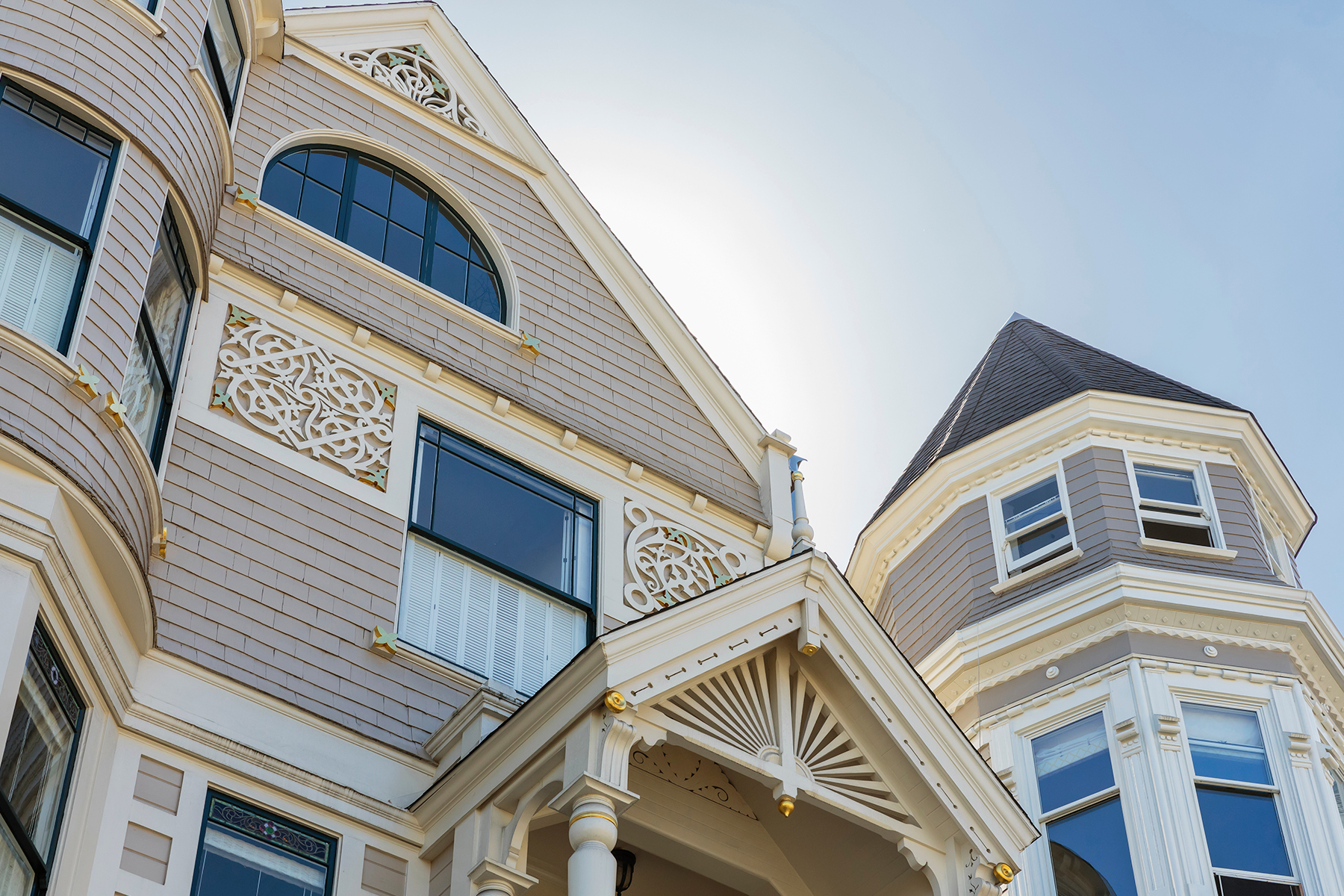
Montclair grew from a farming community into a prosperous railroad-era suburb in the late nineteenth century, leaving a rich mix of older homes and original details. The Charles S. Shultz House, known as Evergreens and built in 1896, is one well-known example. That history is part of the appeal, but age alone does not tell you whether a particular house is a good purchase. The useful question is how its original construction, maintenance, and later work are performing today.
Original character, current condition
Older windows, trim, masonry, framing, and roof structure are considered in their visible condition—not against an unrealistic new-construction standard.
Water paths and material transitions
I look for visible moisture evidence, roof and flashing concerns, drainage patterns, and the places where newer work meets older materials.
Layers of modernization
Many older Montclair homes have electrical, plumbing, heating, insulation, and renovation work from different periods. I help you understand what is visible and where follow-up is appropriate.
What I pay close attention to in Montclair’s older homes
Every property is different. These are the visible, accessible conditions that often benefit from extra context in an older home.
Foundation, framing & floors
Visible settlement patterns, moisture evidence, support conditions, floor movement, alterations, and accessible framing details.
Roofs, chimneys & exterior details
Roof coverings, flashing, drainage, visible masonry, exterior trim, windows, doors, and transitions where water can enter.
Electrical systems
Service equipment, visible wiring methods, grounding, representative outlets and safety devices, and signs of later alterations.
Plumbing & water management
Visible supply and drain piping, fixtures, water heating, active or past leakage evidence, and accessible basement conditions.
Heating, cooling & ventilation
Installed equipment, distribution, combustion venting, visible ductwork, insulation, and attic or crawlspace ventilation where accessible.
Renovation interfaces
Where updated kitchens, baths, additions, or systems meet older construction, I look for visible transitions and conditions that need trade-specific follow-up.
A clear process
From Montclair context to a report you can use.
01 · BEFORE
Share the history you have
When you schedule, tell me what you know about renovations, prior reports, visible concerns, systems, permits, or records. It helps me understand your questions before I arrive.
02 · ON SITE
Inspect systematically
I inspect the readily accessible, visible systems and components, connect related observations, and explain practical questions in plain language.
03 · AFTER
Make the next decision
Your photo-rich report identifies what I observed, why it matters, and the appropriate next step. You can call me afterward to walk through the findings.
Montclair historic-home inspection questions
Straight answers for buyers, sellers, and current owners of older Montclair homes.
Do you inspect older homes throughout Montclair?
Yes. I inspect older homes throughout Montclair and nearby Essex County communities, with practical context for original construction and later renovation work.
Is this a historic-preservation or code review?
No. I perform a visual home inspection of accessible components. Municipal code enforcement, permit research, historic-preservation review, engineering analysis, and specialized testing are separate services.
Are renovation records helpful?
Yes. Records, disclosures, prior reports, and contractor information can provide useful context. They do not replace the inspection, but they can help frame questions about visible conditions and past work.
Can an old house still be a good purchase?
Absolutely. Age alone is not the issue. The useful question is the home’s present condition, the quality of past work, and whether the needed work fits your plans, timing, and budget.
Should I consider additional services for an older home?
Depending on the property, radon testing, a WDI inspection, sewer scope, or oil-tank sweep may be useful. I can help you decide what is appropriate for the house and your transaction.
Can I ask questions after I receive the report?
Yes. The report is not the end of the conversation. I am available for a post-inspection phone debrief so you can make sense of the findings and next steps.
For a general Montclair inspection overview, visit my Montclair home inspection page. For broader older-home guidance across the area, visit my Historic Home Inspections service page.
Buying or caring for an older Montclair home?
I will give you a clear, practical picture of what I observed and help you understand the next step.